

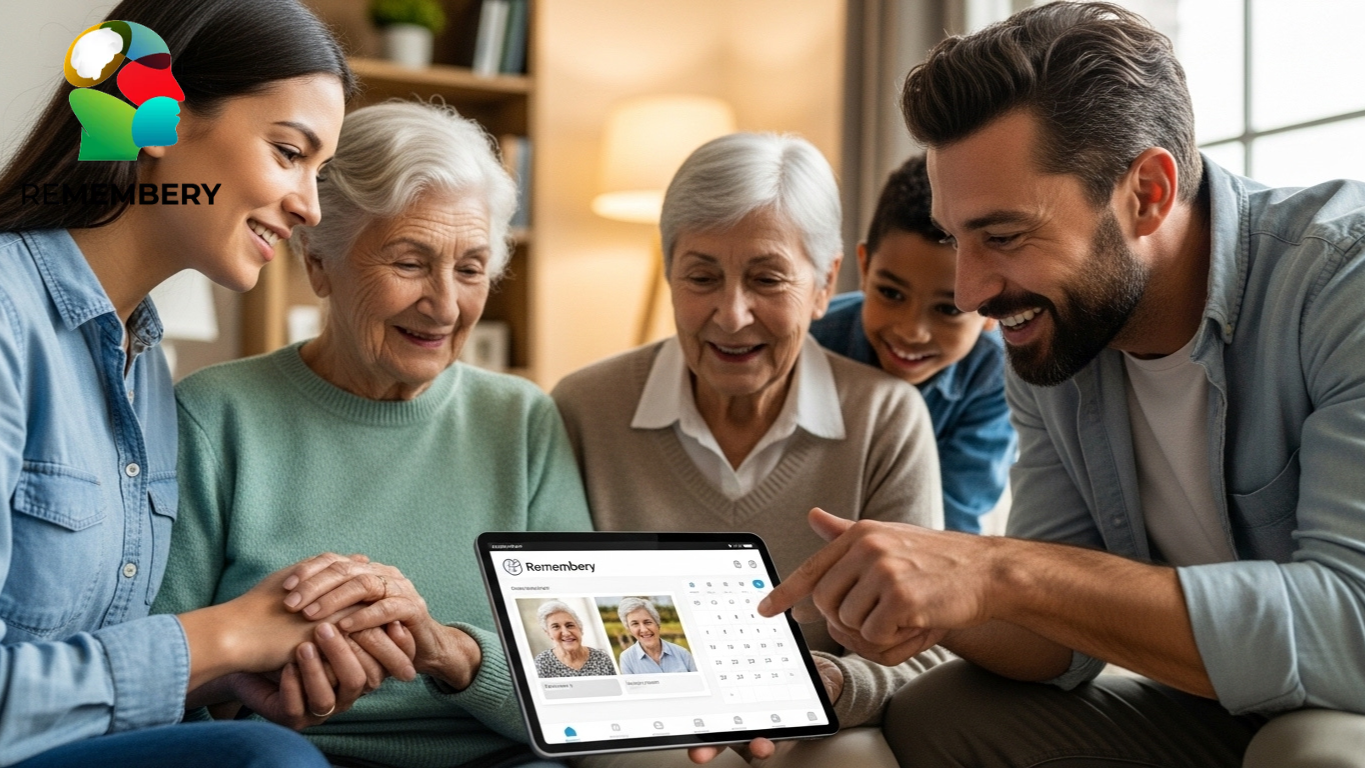
Caring for an elderly family member is a journey filled with profound love, but it also presents unique challenges that can weigh heavily on a person’s mental and physical health. As parents age, the complexity of managing their health, safety, and happiness increases significantly. Fortunately, we live in an era where technology for caregivers has evolved to meet these specific needs, providing a much-needed safety net. By integrating a modern remember application into daily life, families can ensure that the small details like medication or appointments never fall through the cracks.
The Evolution of Modern Caregiving
The traditional image of caregiving often involves stacks of paper notes and a constant state of high alert. However, the rise of technology for caregivers is fundamentally changing this dynamic. Modern families are now looking toward caregiver technology to bridge the communication gap between family members and professional health aides. When we utilize caregiving tools, we aren’t just buying gadgets; we are investing in peace of mind.
For those managing the specific hurdles of cognitive decline, technology for alzheimer’s caregivers is no longer a luxury but a necessity. These specialized caregiving tools help manage the repetition and confusion that often accompany memory-related conditions. By setting up a reliable remember application, a caregiver can automate the “nudges” that a senior needs to stay on track, reducing the friction that often causes household stress.
Creating a Connected Home
A significant part of modern caregiving involves the concept of smart home health. This goes beyond basic security; it involves creating an ecosystem where Daily Reminders are integrated into the physical environment. When a home is equipped with smart home health features, the environment itself supports the senior’s independence. Using best reminder tools allows a person to receive prompts through their phone or smart speakers, which keeps them engaged with their own schedule.
The use of daily reminder apps has proven to be an effective way to maintain a sense of normalcy. When a senior uses daily reminder apps, they feel more in control of their own time. Furthermore, apps to remember tasks can be shared among siblings, ensuring that everyone is on the same page regarding doctor visits or social engagements. By leveraging apps to remember tasks, the entire family participates in the care process, preventing caregiver burnout.
Structured Routines for Better Mental Health
Consistency is the cornerstone of elderly care. Establishing wellness routine reminders ensures that healthy habits, such as hydration and light stretching, become second nature. When wellness routine reminders are automated, the caregiver doesn’t have to act as a “nagger,” which preserves the emotional relationship between the parent and the adult child. The importance of daily reminders is most evident when it comes to medication adherence and physical safety.
Implementing a robust reminder application helps in tracking long-term health trends. As we look at all things remembered within the history of an app, we can see if a parent is consistently missing certain tasks. This data is vital for medical professionals. Utilizing all things remembered allows for a data-driven approach to aging, rather than relying on guesswork.
Reducing the Cognitive Load
One of the hardest parts of being a caregiver is the mental load—the constant “mental tab” running in the background. Caregiver technology is designed to take that load off your shoulders. When you use the best reminder tools, you are essentially outsourcing your memory to a digital assistant. This allows you to focus on the quality of the time you spend with your loved one rather than the logistics of their day.For families dealing with more advanced needs, assistive technology for dementia care can be a lifesaver. These specific caregiving tools are designed with simplicity in mind, ensuring that the senior isn’t overwhelmed by the interface. A high-quality reminder application can display large text and use audio cues to guide the user through their day.
Enhancing Independence through Technology
Many seniors resist help because they fear losing their independence. However, the best daily reminder app can actually empower them to live alone longer. By using daily reminder apps, they can manage their own Daily Reminders without needing a person standing over them. This subtle support is often more accepted by fiercely independent older adults.
The integration of smart home health monitors and apps to remember tasks creates a safety net that is largely invisible. When wellness routine reminders are part of the digital background, the senior simply feels like they are having a productive day. The shift from manual checking to using caregiver technology allows for a much more dignified aging process.
Strategic Planning for the Future
As we look at the landscape of elder care, it is clear that technology for caregivers will only become more intuitive. Current caregiving tools are already providing unprecedented levels of support. By choosing to remember application strategies early, families can habituate their parents to these tools before they are strictly necessary.Using Daily Reminders effectively requires a bit of initial setup, but the long-term payoff is immense. Whether it is through a specialized remember application or a broader suite of smart home health devices, the goal remains the same: safety and serenity. By looking back at all things remembered in your care plan, you can adjust the intensity of support as the years go by.
Conclusion
Caring for aging loved ones often feels less like a short task and more like a long journey. It asks for patience, balance, steady support systems that make daily responsibilities manageable. When caregiver technology becomes part of everyday life, it can ease pressure rather than add to it. Used thoughtfully, these tools help maintain structure while respecting the dignity of seniors, protecting the mental well-being of caregivers.
Digital reminders can fit naturally into routine care. The Remembery App when included in a regular schedule, simply supports memory by keeping important details in view. Daily reminders, along with reliable reminder tools, help shift caregiving away from constant urgency toward a calmer rhythm of preparation. In that way, technology for caregivers becomes part of the family’s steady foundation rather than an extra burden.
FAQs
How to handle the stress of taking care of elderly parents?
Handling this stress requires a combination of self-care and systems. Set boundaries, seek support from local caregiving groups, and use tools to automate repetitive tasks. Reducing your mental load by using digital organizers can prevent the “decision fatigue” that often leads to burnout.
How to reduce stress for the elderly?
Reducing stress for the elderly involves creating a predictable and safe environment. Predictability can be achieved through consistent routines supported by gentle alerts. Removing the fear of “forgetting” by providing reliable memory aids can significantly lower anxiety levels in seniors.
How could older adults benefit from technology to support memory?
Older adults benefit by gaining a sense of autonomy. Technology can provide audio-visual prompts for medication, social events, and safety checks (like locking the door). This allows them to stay on top of their responsibilities without having to rely on others for constant verbal reminders, which boosts self-esteem and confidence.