

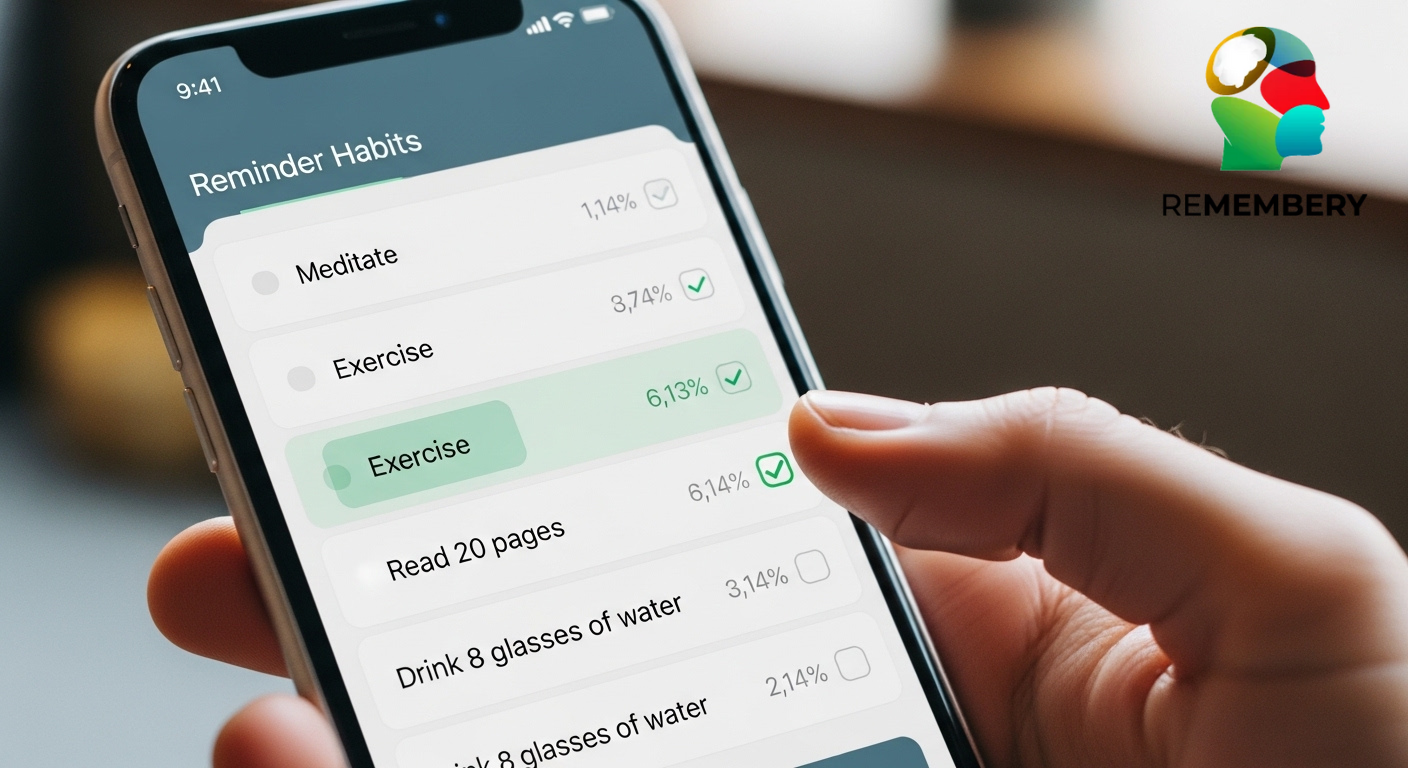
Building a new routine is often harder than it looks. We start with great intentions, but life gets busy, and our goals slip through the cracks. This is where modern technology steps in. By using a specialized habit tracker app, individuals can bridge the gap between intention and action. These digital tools serve as more than just buzzers in your pocket; they act as an external memory and a structural framework for personal growth. When you choose to build habits with apps, you are essentially outsourcing the cognitive load of remembering to a reliable digital partner.
The Psychology of Digital Reminders
The reason a daily habit reminder is so effective lies in the psychology of the “cue.” Every habit starts with a trigger. In a natural environment, this might be something like brushing your teeth before bed. However, for new or complex goals, we often lack natural cues. A reminder app for habits provides that artificial cue exactly when you need it. By understanding the importance of daily reminders and using habit forming apps, you ensure that the prompt to act is consistent, which is the most critical factor in neuroplasticity and habit formation.
For those focused on professional growth, apps for personal productivity offer a way to schedule deep work or administrative tasks until they become second nature. Over time, the reliance on the habit tracker app decreases as the behavior becomes automatic, but the initial phase requires that constant, gentle nudge.
Maximizing Efficiency with Structured Tools
When looking for the best habit apps, users often prioritize interface and ease of use. A high-quality goal tracking app should allow for granular control over how and when you are notified. Integrating a to-do list app for habits into your morning routine ensures that your most important personal goals are given the same priority as your work meetings.
Many people find that productivity apps are the secret to maintaining a work-life balance. By setting up habit management tools, you can automate the mundane parts of your day. Whether it is a hydration prompt or a physical activity alert, a long-term habit tracker helps maintain momentum even on days when motivation is low. It is well known that reminder systems improve daily productivity by ensuring a daily habit reminder records even small wins, providing the dopamine hit necessary to keep going.
Overcoming Consistency Plateaus
The struggle with most New Year’s resolutions is the “dip” that period after three weeks when the excitement fades. This is where habit forming apps prove their worth. Instead of relying on willpower, you rely on a system. A reminder app for habits doesn’t get tired or forgetful. If you are serious about your journey, you must build habits with apps that offer data visualization, showing you exactly how far you have come.
A robust goal tracking app allows you to see patterns in your behavior. Perhaps you miss your habits more on Tuesdays, or you excel in the mornings. These insights, provided by the best habit apps, allow you to adjust your environment for success. Furthermore, using a to-do list app for habits helps categorize your life into manageable sectors.
Advanced Strategies for Long-Term Success
To truly excel, one should look into habit management tools that offer “if-then” planning. This means your long-term habit tracker isn’t just a list, but a dynamic schedule. When you utilize apps for personal productivity, you are investing in your future self. The implementation of an automated reminder system alongside a habit tracker app in your daily life creates a fail-safe against forgetfulness.
If you want to build habits with apps effectively, consistency is king. Use your daily habit reminder to stay accountable. Most successful people use productivity apps to shield their time from distractions. By setting up a reminder app for habits, you create a digital boundary around your goals. Even the most basic habit forming apps can transform a chaotic schedule into a streamlined path to success.
Refining Your Personal Systems
As you become more comfortable with habit management tools, you might find that you need more specialized features. A long term habit tracker might include social sharing or gamification. However, for many, the best habit apps are the ones that stay out of the way until they are needed. A to-do list app for habits should be a tool for liberation, not another source of stress.
Using a goal tracking app helps you visualize the “chain” of success. The more days you complete, the less you want to break the streak. This is why apps for personal productivity are so highly recommended by coaches. When choosing the best daily reminder app, it becomes easier to combine a habit tracker app with a clear vision. Always ensure your daily habit reminder is set for a time when you can actually take action.
Conclusion
In the modern world, our attention is constantly fragmented. Using a reminder app for habits is a way to reclaim that attention and direct it toward self-improvement. Whether you use habit forming apps for health, learning, or career advancement, the goal is the same: to create a life where good choices are the default. The Remembery App, integrating it into your daily routine, ensures your habit management tools are working for you around the clock. Choosing to build habits with apps means you are taking the first step toward a more intentional and disciplined future.
FAQs
How can reminder apps help me build long-term habits?
Reminder apps help by providing consistent external cues that trigger your brain to perform a specific action. By removing the need to “remember” to do a task, these apps lower the mental barrier to entry, making it easier to stay consistent until the behavior becomes an automatic part of your neurological wiring.
Which reminder apps are best for habit tracking?
The best apps are those that offer flexibility, such as the Remembery App, which focuses on structured routines and daily planning. Look for apps that allow for customized recurrence patterns, provide progress visualizations, and offer a clean interface that doesn’t add to your digital clutter.
Can daily reminders really help form lasting habits?
Yes. Research shows that habit formation relies heavily on the “Cue-Routine-Reward” loop. A daily reminder serves as a reliable cue. When followed by the routine and a sense of accomplishment (the reward), the neural pathways associated with that habit are strengthened, eventually leading to long-term behavioral change.