

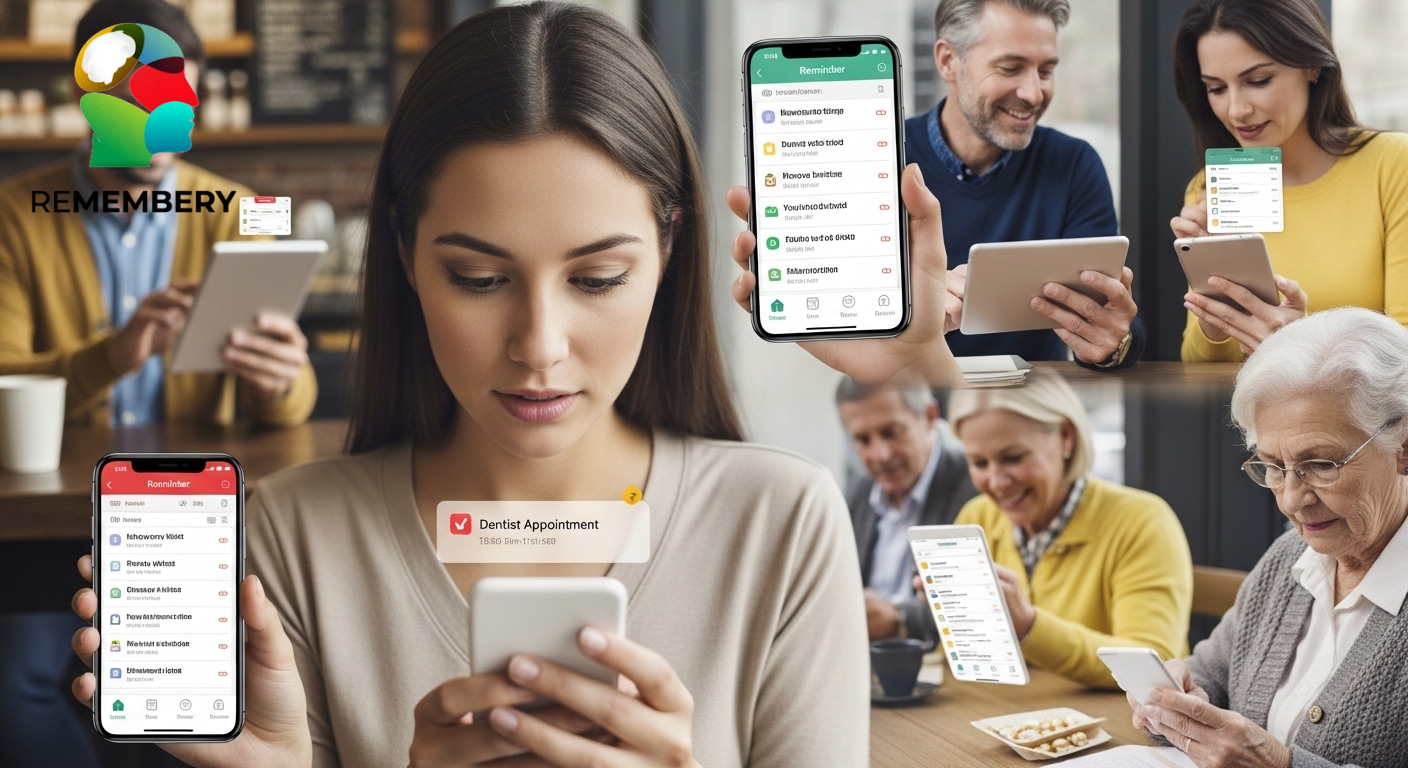
In today’s fast-paced world, forgetfulness is a common challenge. From missed appointments to overlooked deadlines, memory lapses can affect personal and professional life. While occasional forgetfulness is normal, frequent lapses can hinder productivity and increase stress. Digital tools like a reminder app offer practical solutions, ensuring important tasks and commitments stay on track.
Modern technology has introduced specialized memory aid apps that provide structured support for remembering tasks, medications, and routines. These apps not only prevent lapses but also improve overall cognitive engagement by encouraging daily mental interaction. Reliable reminders reduce the mental burden of tracking multiple responsibilities manually, freeing up brainpower for more complex thinking.
How Reminder Apps Combat Forgetfulness
Forgetfulness occurs due to distractions, stress, or natural cognitive decline. Implementing a task reminder app helps create consistent prompts for essential activities. Scheduled alerts encourage action at the right time, reducing the chances of forgetting important events or tasks.
Daily cues also build habits. When a prompt repeats consistently, it reinforces memory pathways. For example, a morning notification to check emails or take medication establishes a routine. Over time, the brain begins to associate these cues with the task, making the action almost automatic.
Among the best reminder tools, those that allow customizable alerts and recurring notifications are particularly effective. They can handle multiple tasks, categorize priorities, and adjust timing according to individual routines. By transforming intention into scheduled action, these tools reduce the risk of missed obligations.
Supporting Cognitive Health with Memory Aid Apps
Memory challenges are not just inconvenient, they can indicate underlying health issues. Research highlighted by resources like memory-loss emphasizes the importance of proactive measures for cognitive support. Memory aid apps help by providing structured prompts and tracking completion of daily responsibilities, which can mitigate stress associated with forgetfulness.
These apps act as external memory extensions. Whether it’s remembering appointments, medications, or recurring work tasks, structured notifications ensure important activities are not overlooked. Over time, integrating these tools into daily life can significantly improve efficiency and confidence in managing responsibilities.
Creating Consistency Through Daily Reminders
Consistency is critical to reducing forgetfulness. Daily notifications from daily reminder apps reinforce behavior and help build a reliable memory routine. These apps can be configured to repeat key actions at consistent times, creating rhythm in otherwise unpredictable schedules.
Habitual prompts also reduce cognitive load. Instead of juggling multiple responsibilities in the mind, users rely on timely alerts to guide action. Pairing habit reminder app functionality with daily reminders ensures that tasks are completed consistently, and important routines are maintained.
Furthermore, structured prompts provide measurable results. Many apps log task completion and offer summaries, showing streaks and patterns. This visibility motivates users to maintain consistency, reinforcing the memory-consolidating effects of repeated action.
Improving Productivity and Organization
Forgetfulness affects more than memory, it impacts productivity. Tools like productivity apps streamline workflow, reduce missed deadlines, and enhance focus. Apps that combine reminders, task lists, and habit tracking create a comprehensive solution for personal and professional efficiency.
Apps to remember tasks provide central dashboards to view pending responsibilities, deadlines, and completed tasks. This organization helps reduce mental clutter and ensures nothing is overlooked. Users gain a sense of control over their daily workload, which positively impacts overall cognitive performance.
Moreover, combining these tools with time management apps ensures that tasks are not only remembered but scheduled optimally. Allocating specific time slots for each task reduces procrastination and creates realistic expectations for daily productivity.
Maintaining Order with Stay Organized Apps
A disorganized schedule amplifies forgetfulness. Stay organized apps integrate reminders, checklists, and task categorization to maintain clarity. Users can prioritize tasks by importance or urgency, ensuring that high-priority activities receive attention first.
Structured routines supported by these apps reduce the chance of missed deadlines and help maintain daily efficiency. Whether managing personal errands, work responsibilities, or self-care routines, reminders create an environment that supports proactive memory use.
When combined with analytics, these apps provide insights into patterns of forgetfulness. Users can identify which tasks are frequently missed and adjust routines to improve retention and task completion rates.
Selecting the Best Tools for Forgetfulness
Choosing the right digital assistant depends on individual needs. Features like flexible notifications, habit tracking, and task prioritization make certain tools stand out as the best reminder tools. For those who struggle with multiple commitments, a multi-functional reminder app with daily tracking and habit reinforcement is highly beneficial.
Integrating these apps gradually into daily routines ensures long-term adoption and effectiveness. Starting with core features, such as timed notifications and task logging, and expanding into habit tracking creates a sustainable system to combat forgetfulness.
Ultimately, the goal is to reduce cognitive overload, maintain focus, and establish consistent routines. By leveraging apps to remember tasks, users can reclaim control over their schedules, minimize errors, and enjoy improved mental clarity.
Conclusion
Forgetfulness is a common yet manageable challenge. Modern technology, through memory aid apps, Remembery App, task reminder app, and daily reminder apps, offers effective solutions for staying organized and maintaining productivity. By integrating habit reminder app features with structured notifications, users create consistent routines that reinforce memory and reduce lapses.Combining productivity apps, time management apps, and stay organized apps ensures that all responsibilities are managed efficiently. The use of digital reminders reduces stress, enhances focus, and provides a measurable path toward improved personal and professional performance.
FAQs
How do reminder apps prevent me from forgetting important tasks?
A reminder app sends timely alerts to complete tasks, helping you stay organized apps and avoid missed deadlines. Integrated task reminder app features and daily reminder apps ensure essential responsibilities are tracked consistently, reducing forgetfulness effectively.
Are reminder apps effective for people with memory issues?
Yes, memory aid apps provide structured prompts and notifications to assist those with cognitive challenges. Habit reminder app features and apps to remember tasks improve consistency, offering a practical forgetfulness solution and supporting everyday task completion.
What features should I look for in a reminder app to avoid forgetfulness?
Look for a reminder app with customizable notifications, recurring alerts, and a task reminder app function. Integration with productivity apps, time management apps, and stay organized apps ensures efficient tracking and reduces everyday forgetfulness.