

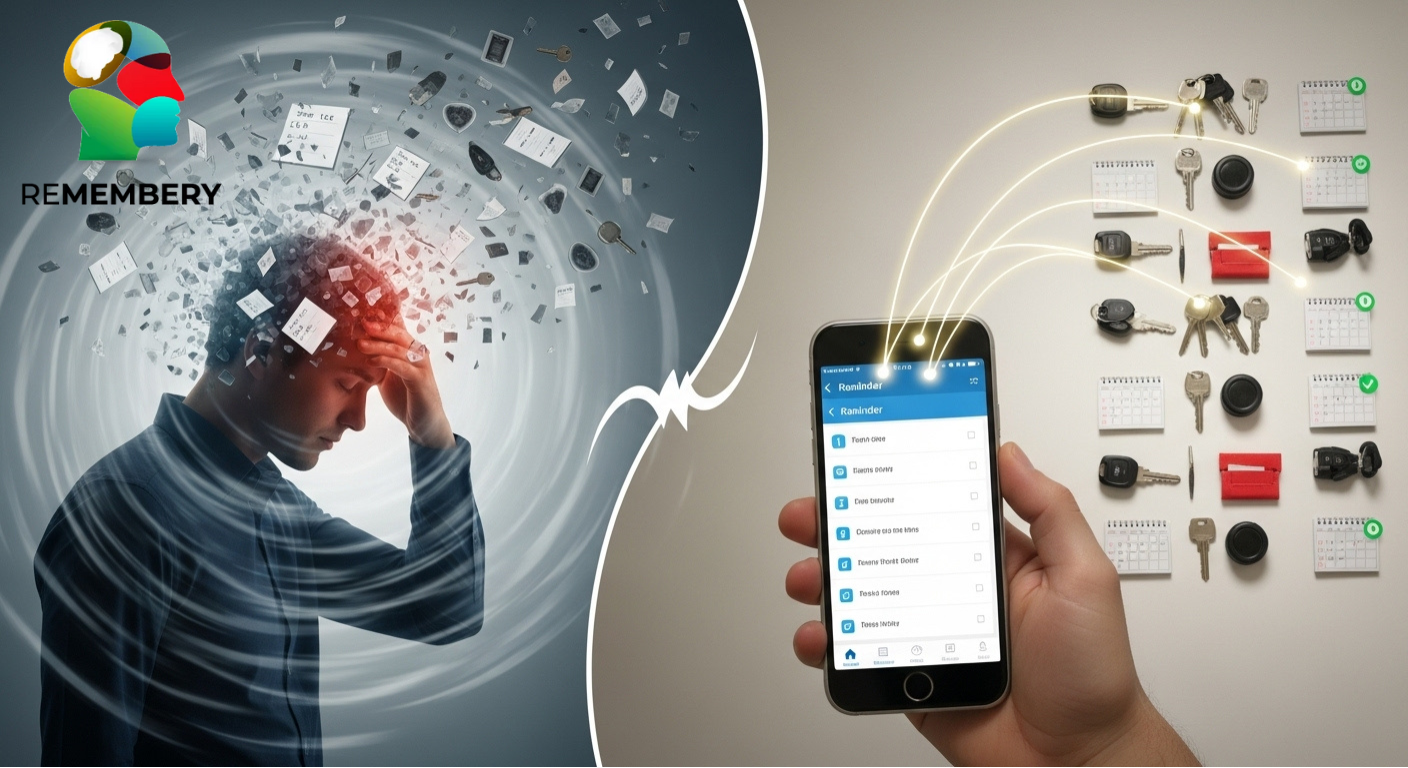
Forgetting is a natural part of human cognition, yet it often frustrates our daily routines and responsibilities. Understanding why people forget is essential before exploring practical tools to counteract forgetfulness. Memory lapses can occur due to stress, lack of focus, aging, or simply because the brain prioritizes other information. The study of memory and forgetting falls under the psychology of remembering, which explains how humans encode, store, and retrieve information. By understanding these processes, we can adopt strategies that minimize forgetfulness and improve efficiency in daily life.
Memory functions are not merely passive; they are influenced by attention, emotional state, and environmental factors. Distractions and multitasking often interfere with memory retention, causing important details to fade over time. Studies indicate that repetition and timely reminders strengthen neural pathways, making retrieval easier. Here is where Remembery app and other cognitive support apps come into play, acting as modern tools to reinforce memory by providing structured, timely cues.
Why People Forget and How Technology Helps
Forgetting is not always a sign of weakness or age,it is a byproduct of how the brain processes information. When attention is divided, memories are poorly encoded, making retrieval difficult. Additionally, stress hormones like cortisol can impair memory formation. Recognizing why people forget allows us to implement solutions that reinforce cognitive performance. A digital brain helper, such as a remember application, can bridge this gap. By offering daily reminders for memory, users receive gentle prompts that reinforce key information and tasks.
These apps are more than simple alarms; they provide context-specific cues that strengthen retention. For example, an app may remind you of an upcoming meeting, a grocery item, or a personal commitment. These prompts serve as a cognitive reinforcement tool, reducing the mental load on your brain and ensuring that all things remembered remain accessible when needed. This reduces the stress associated with forgetfulness and enhances overall productivity.
Features of Memory-Enhancing Reminder Apps
- Modern reminder applications and memory tools cater to various cognitive needs, combining notifications, task organization, and repetition schedules to enhance memory retention efficiently.
- Memory improvement reminders in these apps are strategically timed, using spaced repetition, a proven psychological principle, to strengthen long-term memory.
- Event alerts for important tasks ensure urgent responsibilities are not overlooked, providing timely notifications that act as an external memory system and reduce cognitive overload.
- Some apps feature customizable checklists and progress trackers, giving feedback on memory performance and creating a continuous feedback loop for better retention and organization.
The Role of Daily Reminders in Strengthening Memory
Consistency is key to memory improvement. By integrating daily reminders for memory, users establish routines that facilitate long-term retention. Regular cues train the brain to associate specific tasks with consistent triggers, reducing reliance on mental effort alone. For instance, setting reminders for medications, appointments, or study schedules helps consolidate these actions into habitual behaviors.
The impact of Remembery app and similar tools goes beyond task completion. They enhance cognitive organization and help users prioritize critical information. In a world filled with distractions, having a digital brain helper ensures that essential details remain top-of-mind, effectively countering the natural tendency of the brain to forget unreinforced information.
Psychological Insights Behind Forgetfulness Solutions
The psychology of remembering explains that memory lapses are not always random, they often reflect the brain’s filtering mechanisms. The brain prioritizes information based on relevance, emotional significance, and repetition. When information is deemed non-essential, it may fade. Forgetfulness solutions, such as structured reminders and task management apps, provide external support to align with the brain’s natural processes, ensuring important information is retained.
Cognitive support apps also utilize principles of behavioral psychology, including positive reinforcement and habit formation. By rewarding consistent task completion and memory reinforcement, these apps encourage adherence, gradually improving memory retention. This approach highlights the synergy between human cognition and technology in supporting efficient memory function.
How Remember Applications Improve Daily Life
Adopting a remember application has practical implications for work, study, and personal life. Professionals benefit from event alerts for important tasks, ensuring deadlines are met and meetings attended without stress. Students leverage memory improvement reminders to enhance learning and study retention. Even everyday routines, like grocery shopping or home maintenance, can be streamlined with daily reminders for memory, reducing the likelihood of oversight.
Moreover, all things remembered through these apps foster peace of mind. Users can delegate routine memory tasks to technology, freeing mental resources for higher-order thinking, creativity, and problem-solving. The integration of reminder application and memory tools transforms the approach to personal organization, blending psychological insight with practical application.
Choosing the Right Digital Brain Helper
Selecting the right digital brain helper depends on individual needs and cognitive goals. Apps vary in complexity, from simple checklist apps to sophisticated cognitive support apps with AI-powered suggestions. When choosing a Remembery app or similar remember application, consider features like customizable alerts, recurring reminders, progress tracking, and compatibility with other digital tools.
Effective apps not only prompt users but also encourage proactive engagement with memory tasks. They integrate seamlessly into daily routines, offering both forgetfulness solutions and cognitive enhancement. The ideal app balances simplicity with functionality, ensuring reminders are effective without becoming intrusive or overwhelming.
Integrating Reminder Apps Into Memory Strategies
To maximize benefits, reminder applications and memory strategies should be integrated into broader cognitive practices. Pairing apps with traditional memory techniques, such as visualization, association, and repetition, enhances overall effectiveness. Using daily reminders for memory in combination with note-taking, journaling, and prioritization strengthens neural pathways and supports long-term retention.
Additionally, psychology of remembering insights suggest that emotionally engaging content is better remembered. Users can personalize reminders with meaningful context, images, or motivational cues, further reinforcing memory retention. This approach turns all things remembered from a passive function into an active, engaging process.
Conclusion
Forgetting is a natural human experience, but modern technology provides effective strategies to counteract it. Understanding why people forget and applying principles from the psychology of remembering allows individuals to leverage tools like the Remembery app and other cognitive support apps. By using memory improvement reminders, event alerts for important tasks, and daily reminders for memory, users gain a reliable digital brain helper that ensures all things remembered.
Through strategic use of reminder application and memory features, forgetfulness becomes manageable, and cognitive efficiency improves. Adopting a remember application not only helps in organizing tasks but also supports overall brain health and memory function, making these tools indispensable in modern life.